Getting new skates can seem like a chore, and in many ways it is. However if this process is done correctly, the benefits far exceed the cost of time spent.
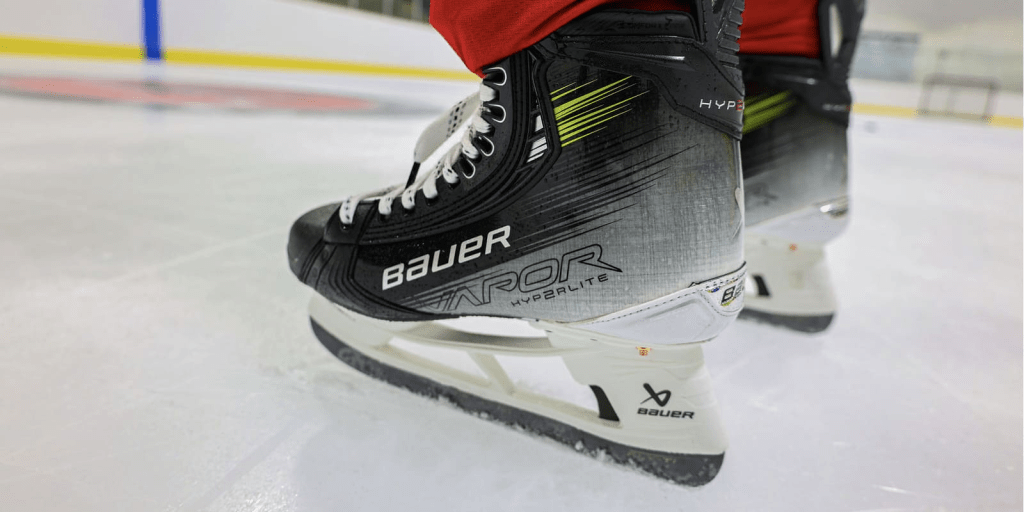
If you’re new to hockey, it’s easy to fall into the trap of thinking skates are just skates — lace ’em up and hit the ice. But ask any experienced player or coach and they’ll tell you: your skates are arguably the most important piece of equipment you own. Not just for comfort, but for your performance, your safety, and the long-term health of your feet. Here’s a breakdown of why getting the right fit matters so much — and what can go wrong when you don’t.
1. Performance — Because Every Stride Counts
When your skates fit properly, your foot and the boot work as one unit. That means every ounce of energy you put into a stride, a crossover, or a hard stop actually goes where you want it to — into the blade and onto the ice. A well-fitted skate gives you sharper, more responsive turns, quicker acceleration, and noticeably more powerful strides.
Loose skates, on the other hand, bleed energy. When your foot shifts inside the boot — even slightly — that movement is lost power. You end up working harder than you need to just to maintain basic skating mechanics. Over the course of a full game or a long practice, that extra effort adds up. It’s the difference between feeling like you’re flying and feeling like you’re dragging through the ice.
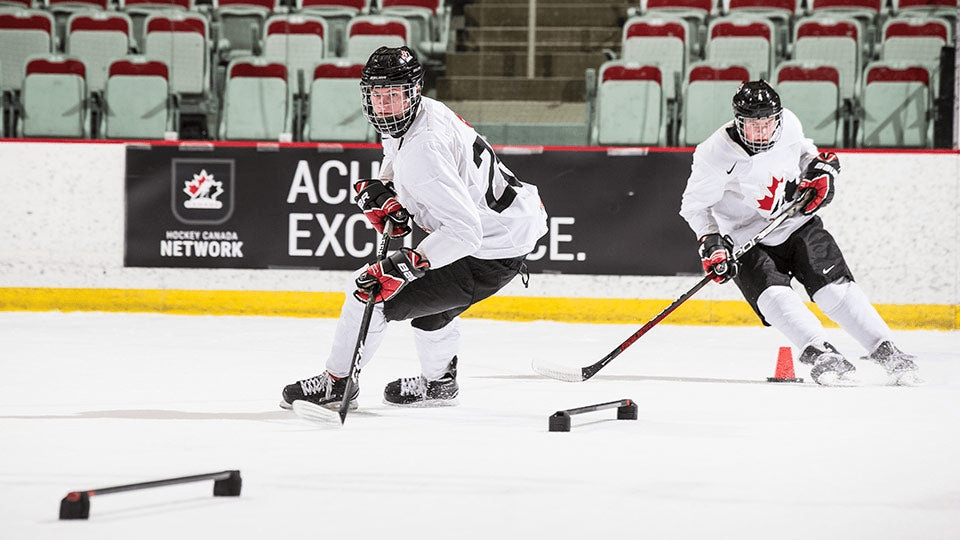
2. Ankle Support — Your First Line of Defense
Hockey is not a gentle sport. You’re making sudden lateral cuts, digging in for explosive stops, battling for position along the boards, and occasionally taking hits you didn’t see coming. In all of that chaos, your ankles take a beating — and a properly fitted skate is what keeps them safe.
A snug, supportive fit locks your ankle in place within the boot, preventing it from rolling or twisting during those aggressive movements. Without that support, even a minor edge catch or unexpected collision can result in a rolled ankle or a sprain that sidelines you for weeks. Skates that are too big or too broken down to hold the foot firmly are a recipe for ankle injuries. The boot should feel like an extension of your leg, not a loose container your foot is rattling around in.
3. Blister and Pressure Point Prevention — The Small Stuff That Really Hurts
Nobody wants to limp off the ice after a practice because their heel is shredded or their pinky toe feels like it’s been in a vice. But that’s exactly what happens when skates don’t fit right.
Skates that are too loose allow your foot to move around inside the boot with every stride, creating constant friction. That friction turns into hot spots, and hot spots turn into blisters — sometimes nasty ones. On the flip side, skates that are too tight in the wrong areas (across the toe box, over the instep, or around the ankles) create pressure points that can cause sharp, persistent pain during skating and lingering soreness afterward. In more serious cases, chronic pressure in certain spots can lead to nerve compression or numbness in the foot — something that can take a long time to resolve if you keep skating on it. Getting the fit right from the start means none of that has to happen.
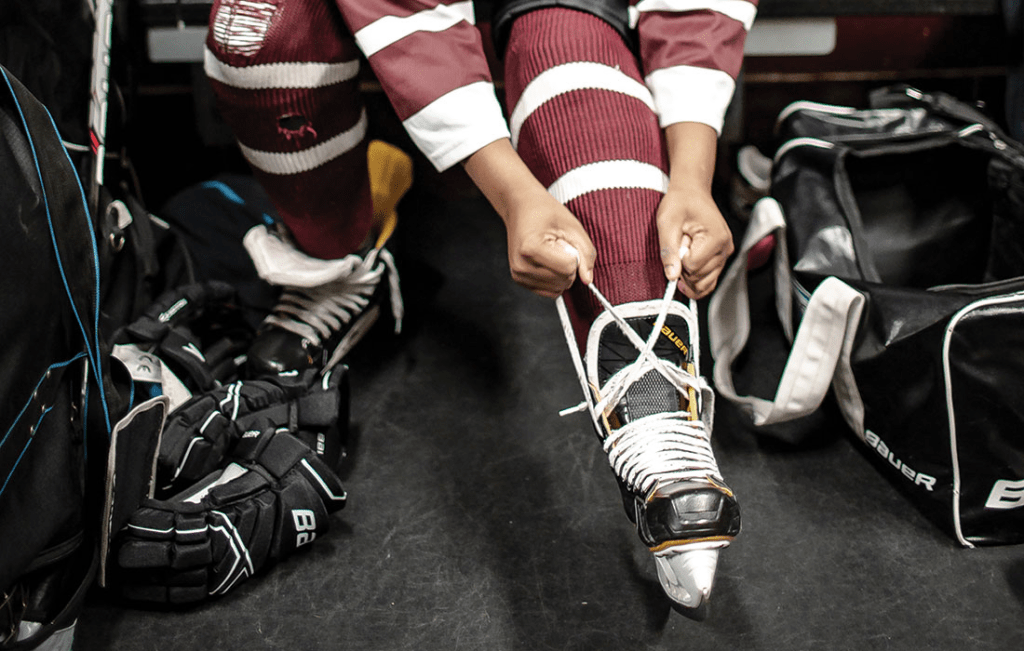
4. Foot and Arch Health — Think Long Term
This one tends to get overlooked, especially by younger players or those who are newer to the sport. Hockey skates have relatively stiff soles with very little arch support by default, and when they don’t match the shape of your foot, they can do some real damage over time.
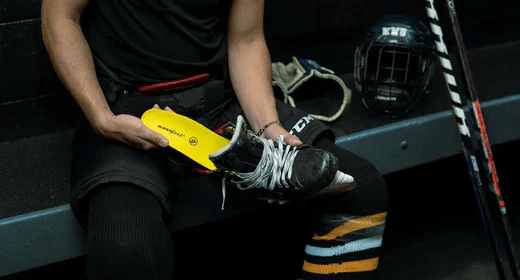
Skating regularly in ill-fitting skates can contribute to plantar fasciitis (that sharp heel and arch pain that’s notoriously hard to get rid of), aggravate or accelerate the development of bunions, and cause general chronic foot pain that follows you around off the ice too. For players who skate multiple times a week, this kind of cumulative wear really starts to matter. Many specialty hockey shops can fit you with custom insoles or footbeds that match your specific arch profile — a small investment that can make a huge difference in long-term foot health.
5. Balance and Edge Control — The Foundation of Every Skill
At its core, skating is all about edge control. Your ability to read and use your edges is what determines how well you stop, turn, accelerate, and protect the puck. And that edge control starts with how your foot sits in the boot.
When your skates fit well, your foot is stable and centered over the blade. You have a clear, direct feel of what the blade is doing on the ice at all times. That feedback is crucial — it’s what lets you make micro-adjustments mid-stride or shave a half-second off a pivot. When your foot is shifting around inside a too-large boot, you lose that connection. Your edge feel becomes inconsistent, your balance suffers, and your skating technique — no matter how hard you work on it — has a shaky foundation to build from. This matters at every level, from a weekend beer leaguer to an elite junior player.
So What Should I do?
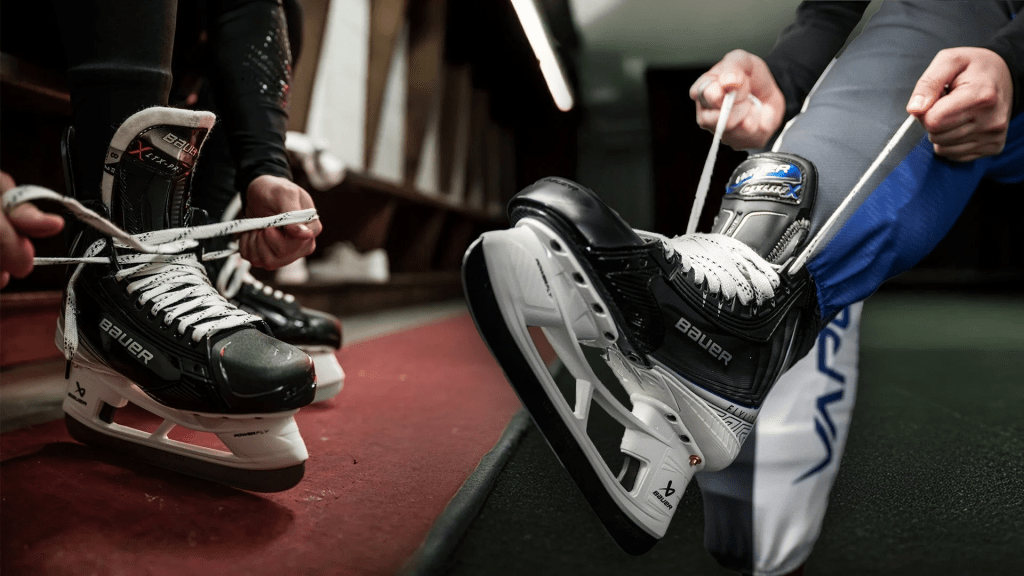
The best thing you can do is go to a dedicated hockey pro shop (not a general sporting goods chain) and get properly measured and fitted by someone who knows what they’re looking at. If you’re buying a stiffer performance skate, ask about heat molding — most shops can bake your skates and mold them to the exact shape of your foot, which dramatically speeds up break-in time and improves overall fit.
It’s well worth taking the time to get it right. Your feet — and your game — will thank you.
 Hockeygear.com
Leave a comment